
The District of Menteith
The district of Menteith, lying partly within Perthshire and partly within Stirlingshire, is celebrated not only for the beauty of its scenery but for its deep historical and cultural significance.
Its landscapes have long captured the imagination. Sir Walter Scott immortalised the region in both prose and verse, most notably in The Lady of the Lake, Rob Roy, and The Legend of Montrose. Through these works, Menteith has become one of the most widely recognised parts of Scotland among international audiences.
Despite its name, Port of Menteith is not a port in the modern sense. There is no harbour, no maritime trade, and no direct connection to the sea.
The word “port” here comes from an older meaning in Scots and medieval usage, where it referred not to a seaport, but to a gateway, crossing point, or place of access.
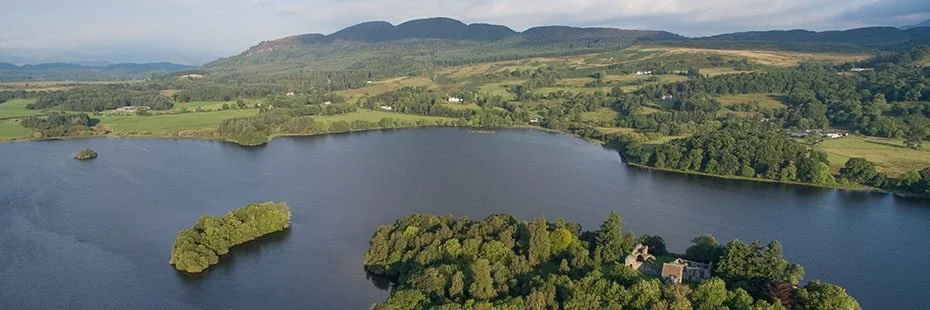
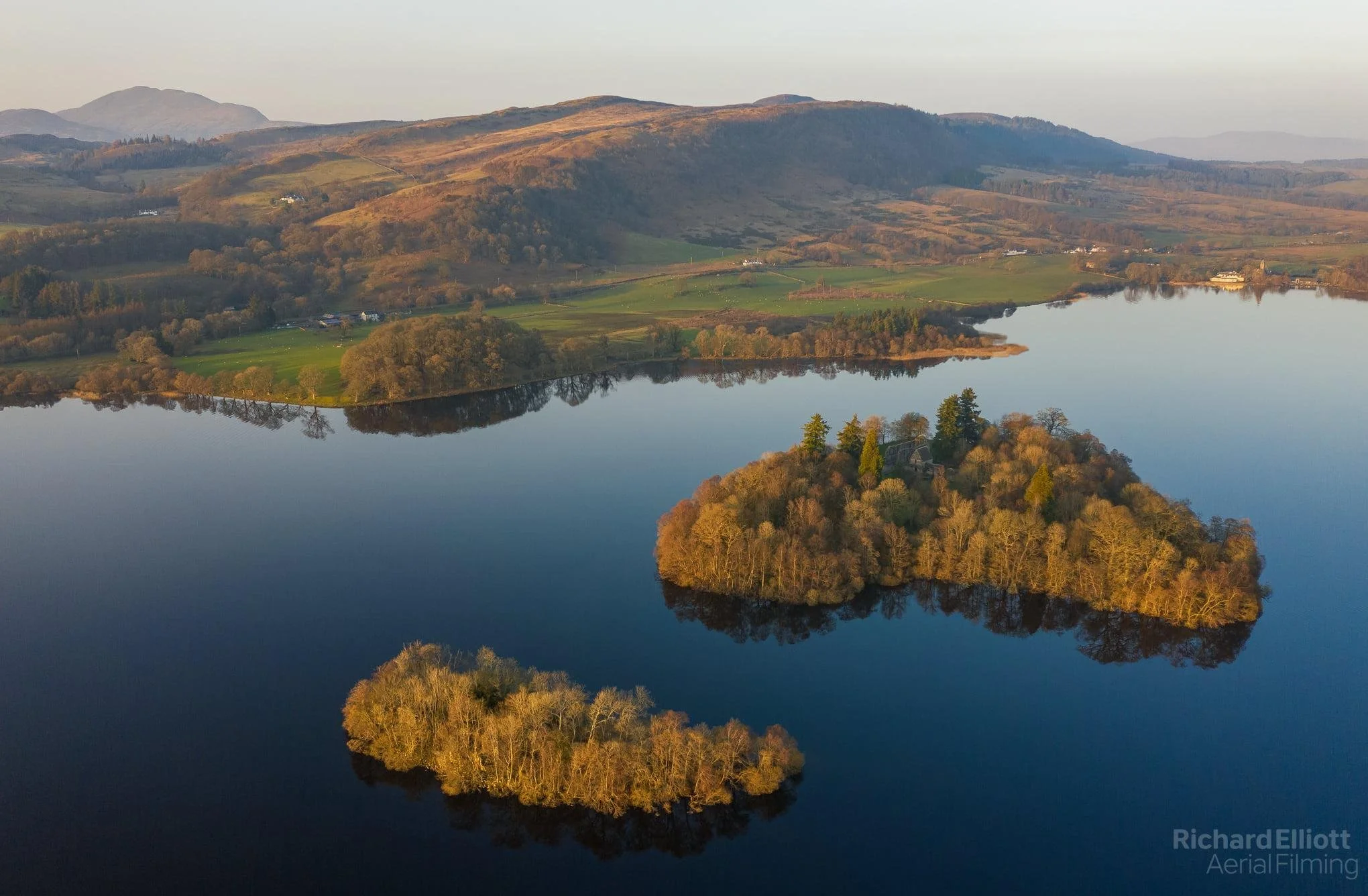
Lake of Menteith, with Inchmahome island in the foreground (with Inchmahome Priory still standing), Inch Talla in the middle and Dog Isle in the distance on the left.
Scotland’s Only “Lake”
Perhaps the most curious distinction of Menteith lies in its water: In a country defined by its lochs, the Lake of Menteith is widely regarded as the only natural body of freshwater in Scotland referred to as a “lake”.
Through a quirk of cartography and language reinforced in the 19th century the name “lake” became used.
This small linguistic anomaly has given the district a quiet but enduring uniqueness, setting it apart in both geography and identity.
The lake itself, lying within the Carse of Stirling between the Rivers Forth and Teith, is modest in scale yet rich in character. Its islands—particularly Inchmahome—have long served as places of refuge, contemplation, and historical significance.
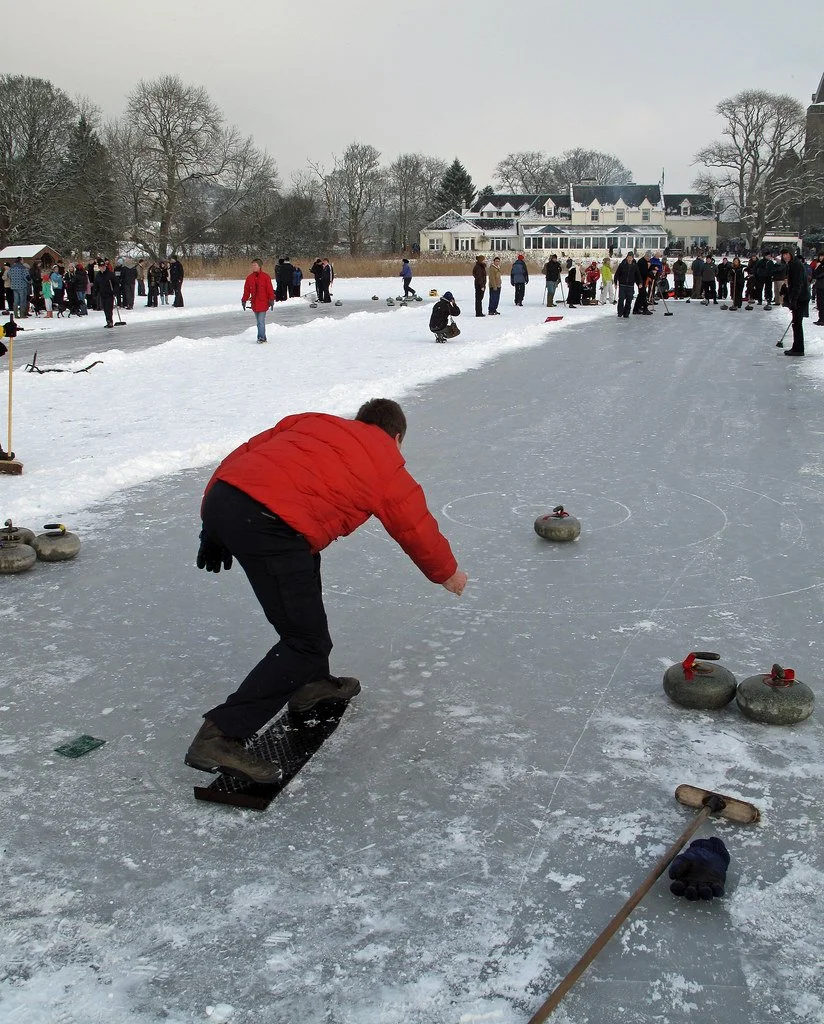
Hurling on the Lake
One of the most fascinating and lesser-known traditions associated with Menteith is the ancient game of shinty played on the ice, now known as hurling – played upon the frozen surface of the lake.
During harsh winters the Lake of Menteith becomes a natural arena for these contests. Teams would gather from surrounding districts to compete in spirited matches, combining athletic skill with communal celebration.
Though such events are now rare, they remain an evocative reminder of how the landscape itself once shaped cultural practice.
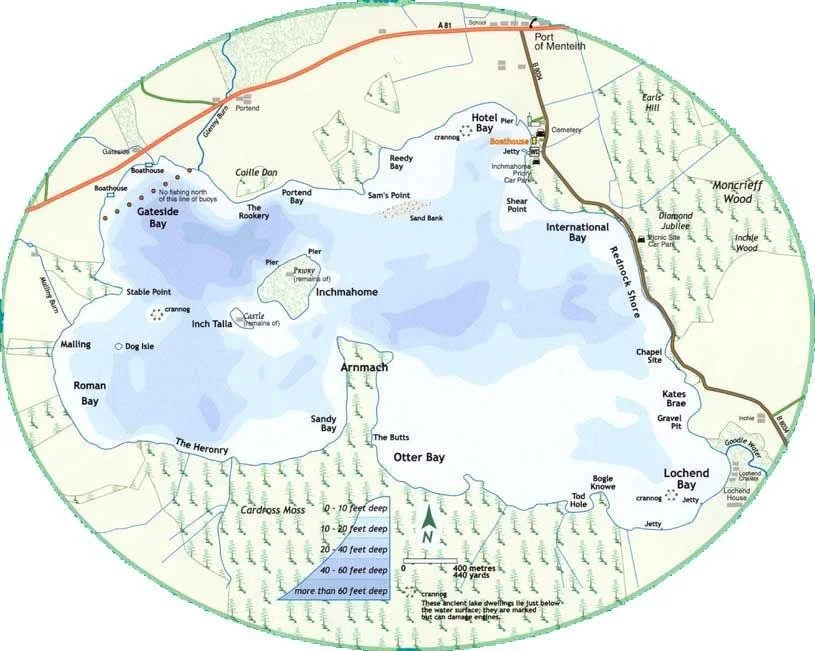
The Islands of the Lake of Menteith
What makes the islands of Menteith remarkable is not just their history, but their preservation. Unlike many historic sites, they have not been overtaken by development. Instead, they remain:
Quiet
Partially hidden
Deeply atmospheric
They are not grand in scale, but they are rich in meaning—offering a more intimate connection to Scotland’s past.
Inchmahome
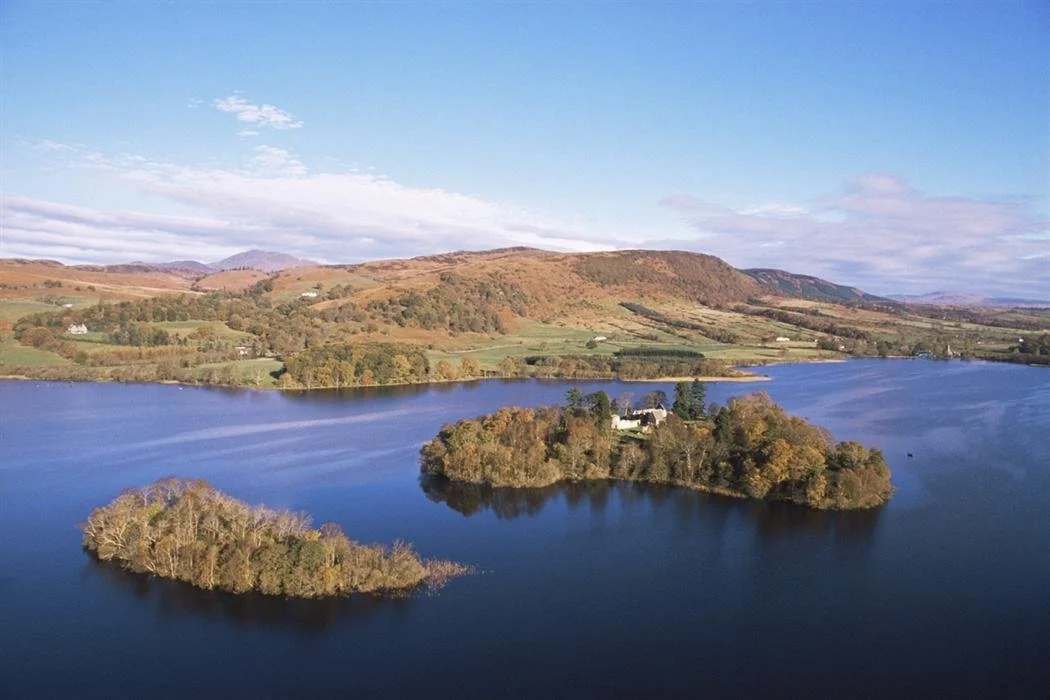
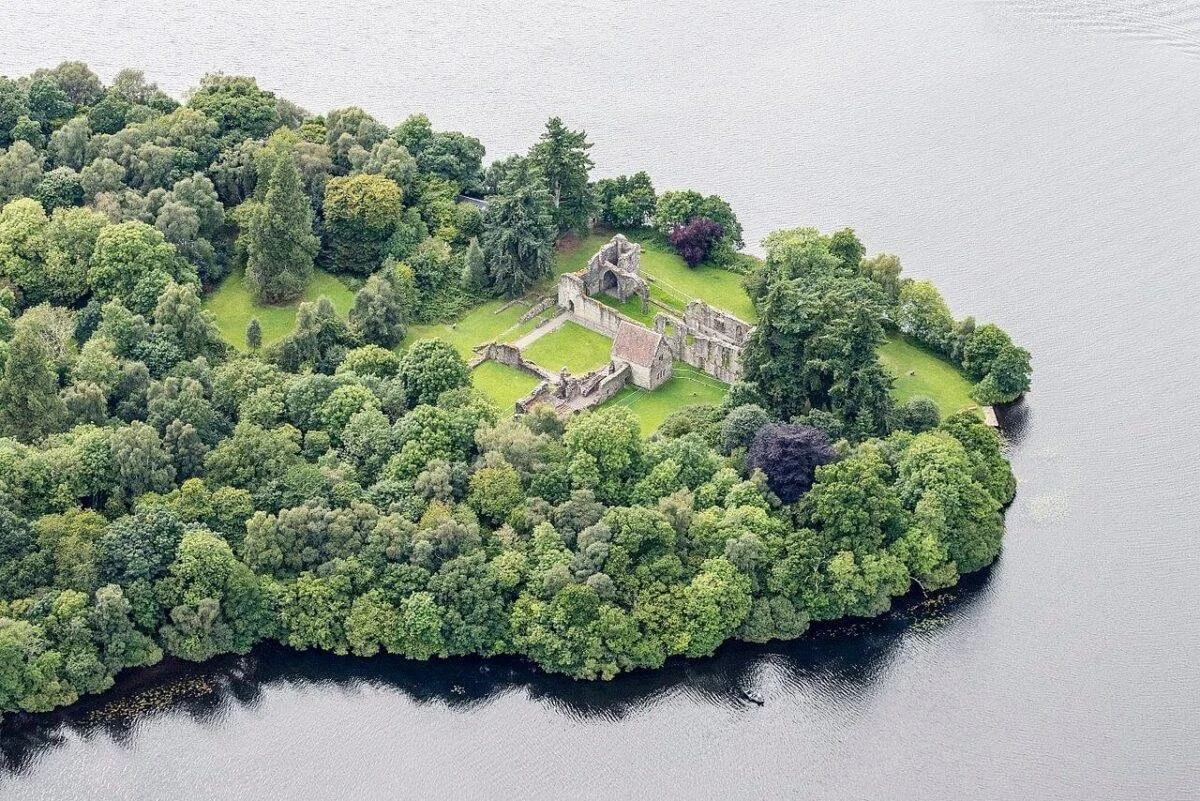
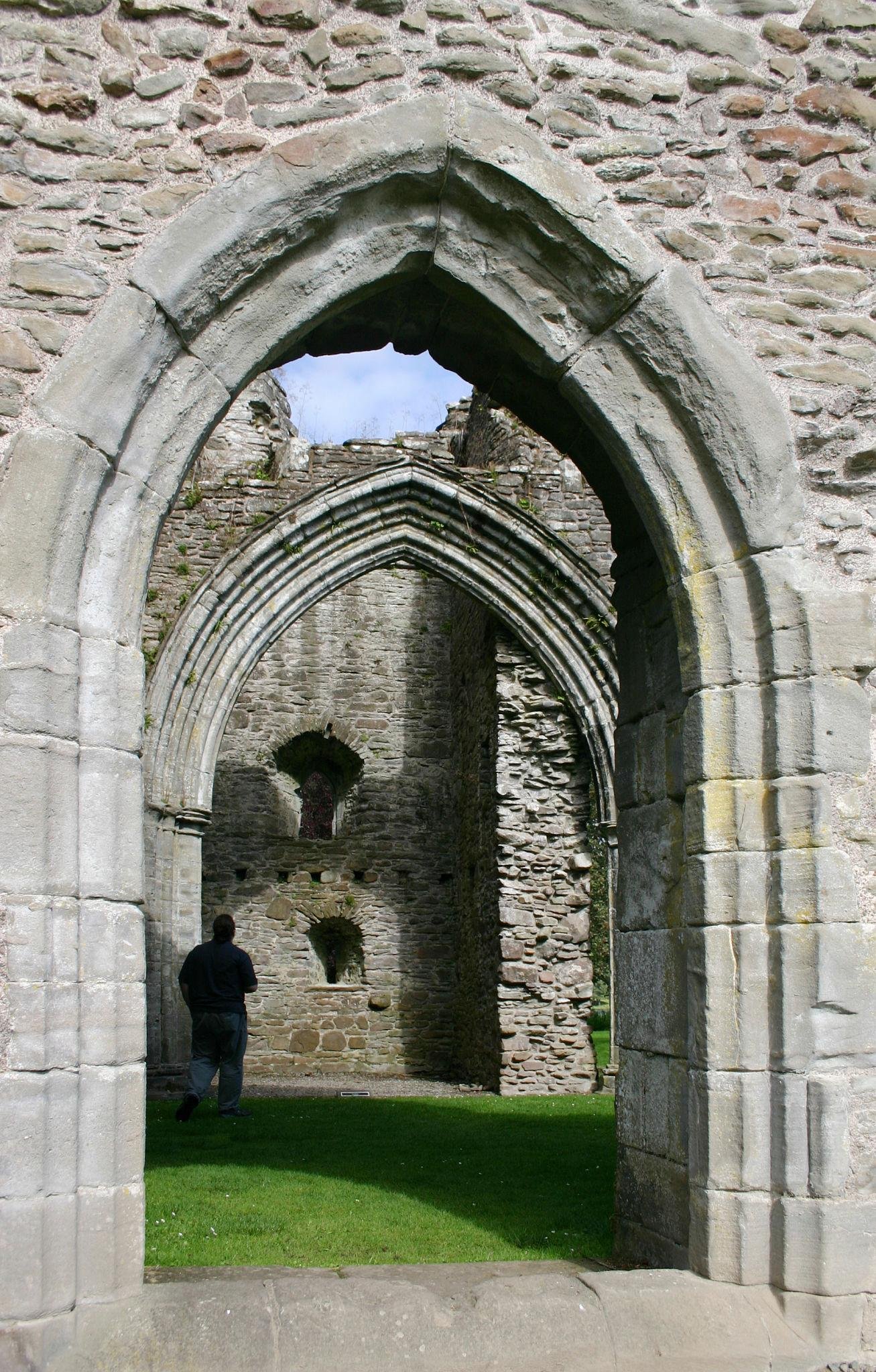
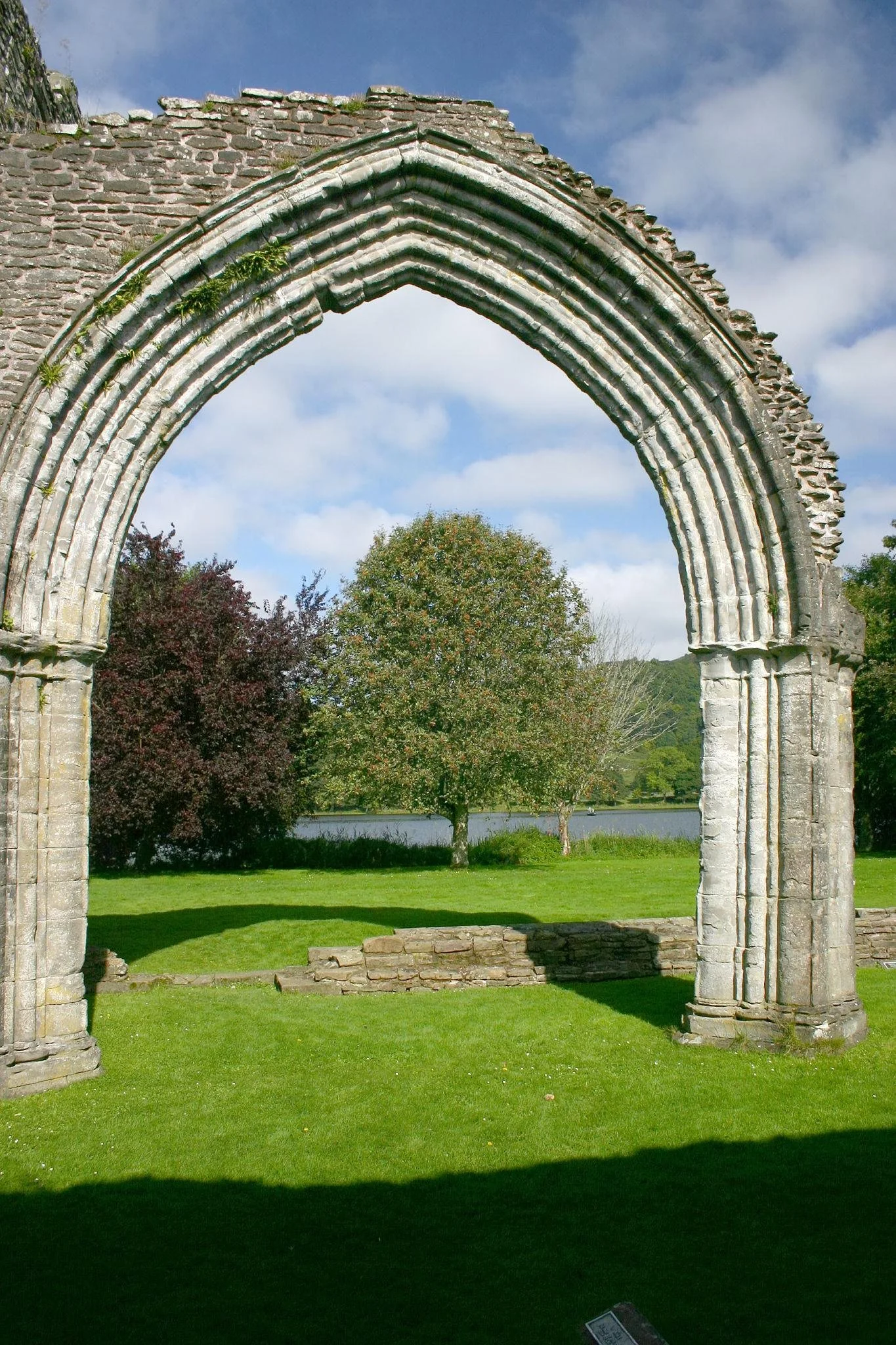
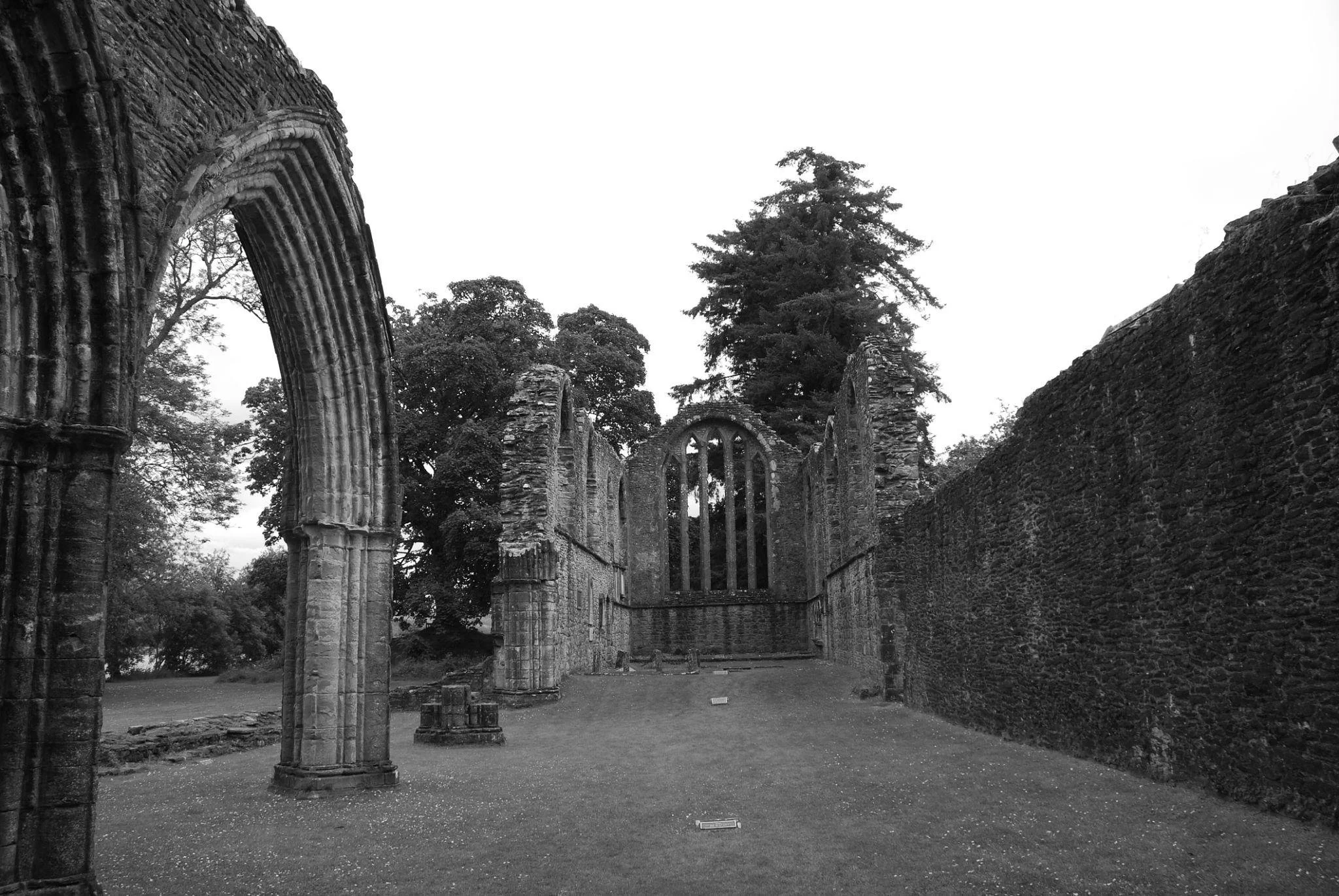
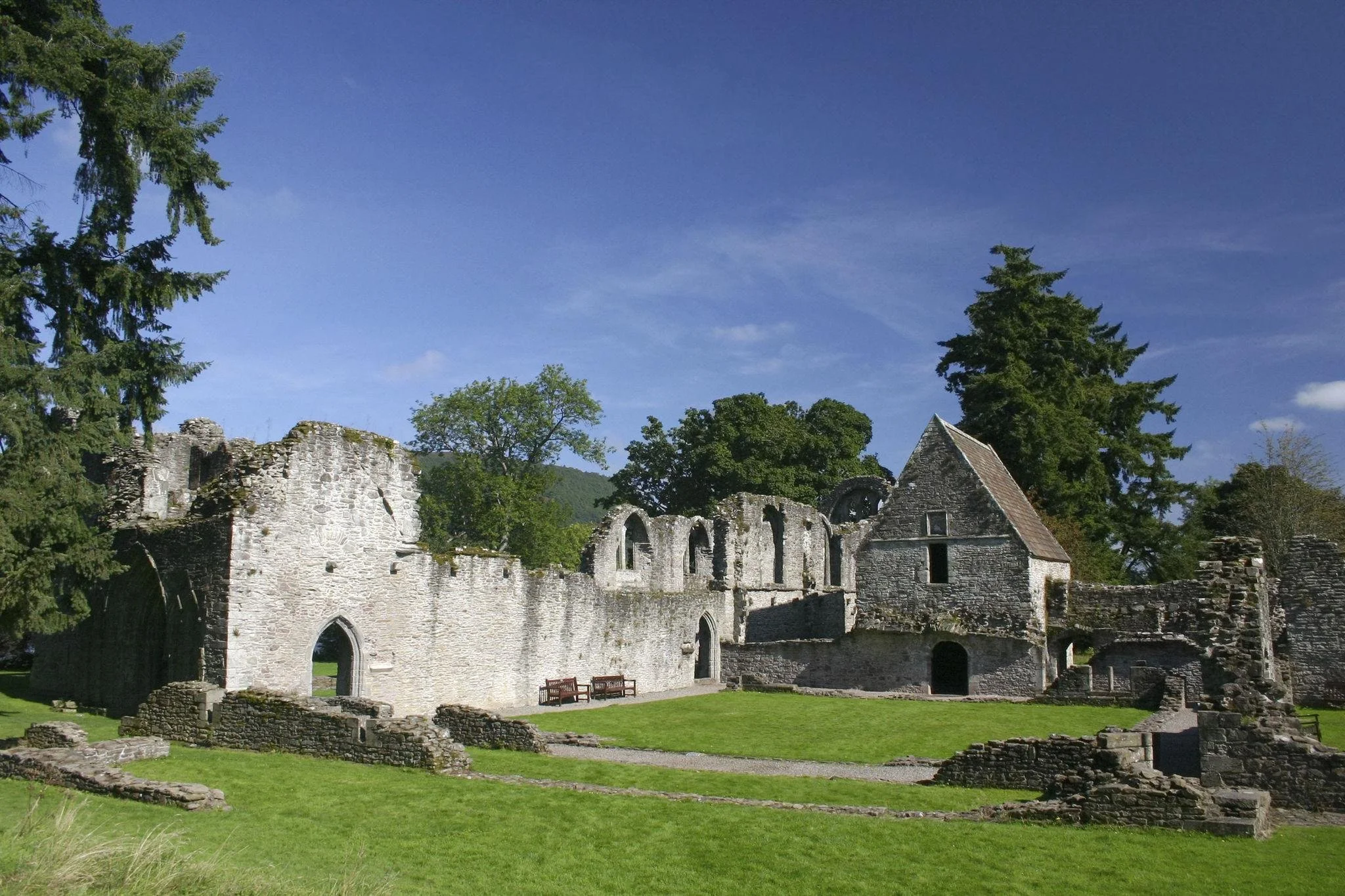
The most significant of the islands is Inchmahome Priory, whose name derives from the Gaelic Innis MoCholmaig—“the island of St Colmaig.”
Founded in 1238 by Walter Comyn, Earl of Menteith, the priory became one of the most important religious sites in the region. Set apart from the mainland, it offered both isolation and protection—qualities that shaped its history.
For over three centuries, it flourished as a monastic community. Its quiet setting also made it a place of sanctuary. Most notably, the young Mary Queen of Scots was brought here in 1547 following the Battle of Pinkie, seeking safety during a time of national upheaval.
Today, the ruins remain remarkably intact. Cloisters, arches, and stone walls still stand among ancient trees, giving the island a contemplative atmosphere that reflects both its religious origins and its enduring presence in Scottish history.
Inch Talla
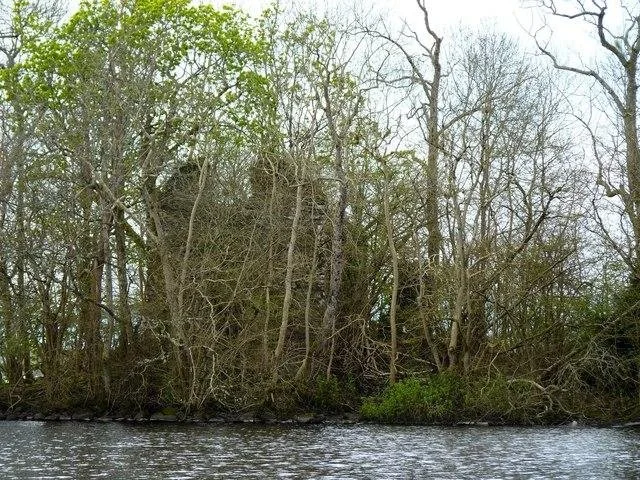
Less well known, but historically significant, is Inch Talla, whose name translates roughly to “Island of the Hall.”
This island is believed to have been the site of a residence belonging to the Earls of Menteith. Though little remains today beyond earthworks and faint traces of structures, it is thought to have once housed a hall or stronghold associated with the Comyns or later noble families.
Its position within the lake would have provided both security and a commanding presence—an appropriate setting for a seat of power.
Dog Isle
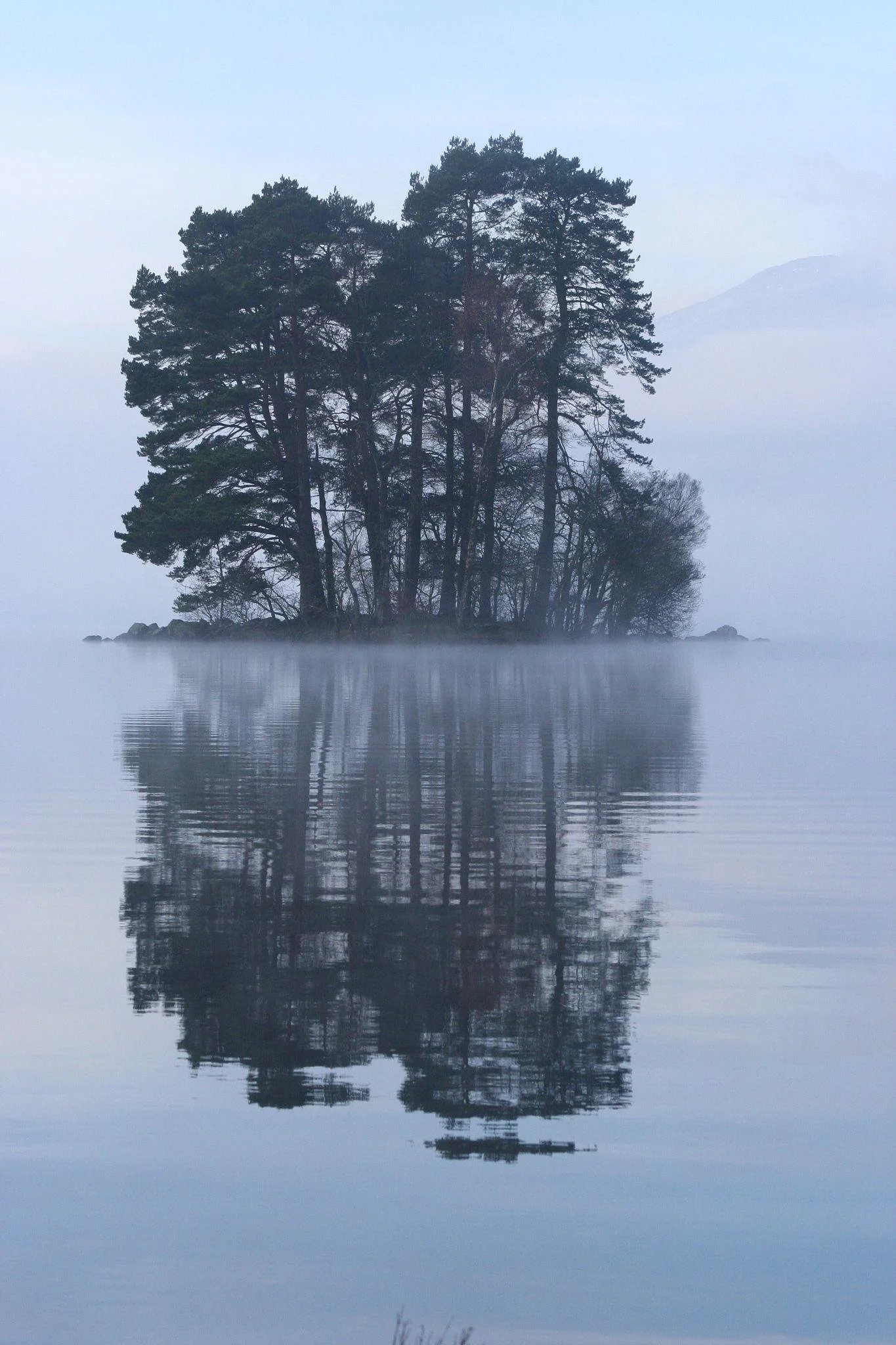
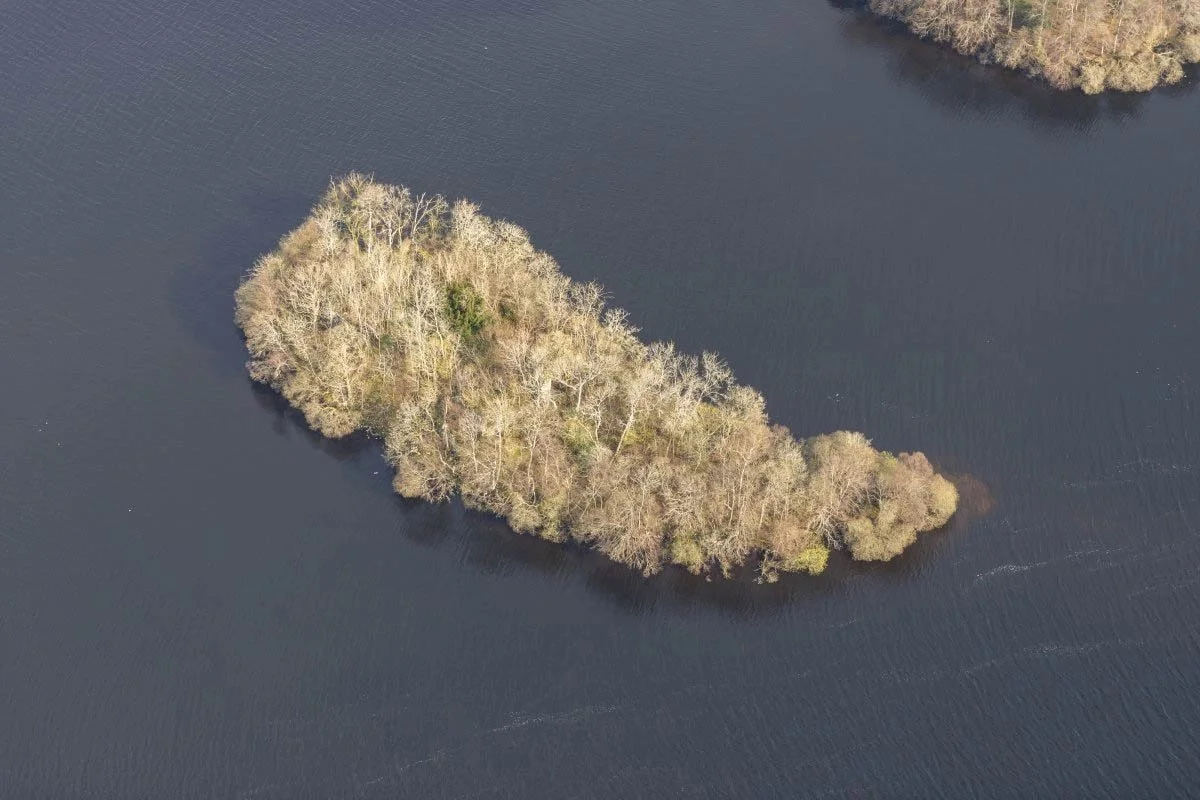
The smallest and perhaps most enigmatic of the islands is Dog Isle.
Little is definitively recorded about its history, and its name remains something of a curiosity. It may derive from hunting practices, local folklore, or simply the informal naming traditions of the area.
Today, it stands largely untouched—a small wooded outcrop that contributes to the quiet balance of the lake.
Earl of Menteith is one of Scotland’s Oldest Earldoms
The Earldom of Menteith, named after the district itself, is among the most ancient noble titles in Scotland, dating back to the early twelfth century. By comparison, some of England’s oldest titles emerged centuries later, highlighting the deep antiquity of the Scottish nobility.
Over time, the earldom passed through three of Scotland’s most powerful families:
The Red Comyns
The Royal Stewarts
The Grahams
Through these lineages, Menteith became closely tied to many of the most significant events in Scottish history.
The Rise of the Comyns
From the original line of earls, only three are known—Gilchrist, Murdoch, and Maurice. Upon Maurice’s death around 1226, the title passed through his daughter Isabella to Walter Comyn, a formidable figure in Scottish politics.
Walter Comyn emerged as one of the most influential nobles of his time:
Leader of the national party
Regent during the minority of Alexander III
He is described by Pordun as :
“a man prudent in counsel, valiant in battle, whose foresight had been obtained by long experience”
His legacy is still visible today. He founded the Priory of Inchmahome in 1238, which stood for centuries as both a religious centre and a place of refuge – including sheltering the young Mary, Queen of Scots after the Battle of Pinkie.
He also built major strongholds such as Hermitage Castle in Liddesdale (the stronghold in succession of the Soulis family, the Douglases, Hepburns, and Scotts), and Dalswinton (stronghold of the Comyns in Galloway), reinforcing the Comyns’ power across Scotland.
Power, politics and the crown
Comyn’s political foresight proved critical during the accession of Alexander III. When opposition attempted to delay the young king’s coronation, citing superstition and tradition, the Earl of Menteith intervened decisively.
Arguing that delay would leave the nation vulnerable – particularly to interference from England – he pushed for immediate coronation. His reasoning prevailed, preventing potential instability and reinforcing Scotland’s independence at a critical moment.
This episode cemented his reputation as a statesman of rare clarity and resolve.
Conflict and instability
Following this period, Scotland entered a phase of political turbulence. Rival factions, particularly those aligned with English interests, sought to control the young king and the direction of the kingdom.
In 1255, Alan Durward seized control of the king and Edinburgh Castle with English support. However, the national party resisted, and the Earl of Menteith once again acted decisively – recovering the king and restoring Scottish control.
Despite his influence, his sudden death in 1258 marked the loss of a key national leader and ushered in renewed instability.
Division and transition of the Earldom
After a prolonged period of dispute, the lands of Menteith were eventually divided. Through marriage and inheritance, the earldom passed to Walter Stewart, reconnecting it to the powerful Stewart lineage.
This transition reflected a broader pattern in Scottish history, where land, title, and power were continually reshaped through alliances, conflict, and negotiation.
The Controversy of Sir John Menteith
Among the later figures associated with the earldom, few are more controversial than Sir John Menteith.
Traditionally remembered as the betrayer of William Wallace, his reputation has long been debated. While some historians argue the story rests heavily on tradition, contemporary evidence confirms that Menteith played a central role in Wallace’s capture.
Records show that:
He served both Scottish and English interests at different times
He held the governorship of Dumbarton Castle
He received significant reward from Edward I following Wallace’s capture
Whether viewed as traitor or pragmatist, his actions remain one of the most debated episodes in Scottish history.
War, Loyalty and Sacrifice
Not all figures of Menteith share this reputation. Other earls fought steadfastly for Scotland during the Wars of Independence, often paying a heavy price.
Alexander Menteith and his successors endured imprisonment, loss of lands, and death in English custody. These sacrifices highlight the volatile nature of loyalty and power during this period.
The Grahams and the return of the Stewarts
Through Lady Mary and her descendants, the earldom passed into the Graham family and later returned to the Stewarts through marriage.
This period was marked by both political ambition and military engagement, including participation in major European campaigns and internal Scottish conflicts.
The Albany Era: power at its height
The most powerful phase of the earldom came under Robert Stewart, Duke of Albany.
As Guardian of Scotland, he effectively ruled the country for decades. His administration was marked by:
Political stability
Reduced conflict
Strong relationships with both nobility and clergy
Despite later accusations—particularly regarding the death of his nephew, the Duke of Rothesay — modern historical analysis suggests these claims lack reliable evidence.
Albany’s rule remains one of the most influential periods in the history of Menteith.
Decline and absorption into the Crown
Following the execution of Albany’s son Murdoch in 1425, the earldom was forfeited to the Crown. This marked the end of Menteith as an independent noble power.
Subsequently:
Part of the earldom was granted to Malise Graham
The remainder became the Stewartry of Menteith
A Legacy Embedded in Scotland
The story of Menteith is one of continuity and change—of powerful families, political struggle, and enduring cultural significance.
While Clan Buchanan was not one of the families who held the earldom or lands in Menteith itself, our lands would have existed within a landscape shaped by Menteith’s political influence, regional alliances and the shifting balance between Highland and Lowland power.
From its early medieval origins to its integration into the Crown, the district reflects the broader story of Scotland itself: a land shaped by loyalty, conflict, and identity, whose history continues to resonate far beyond its borders.